
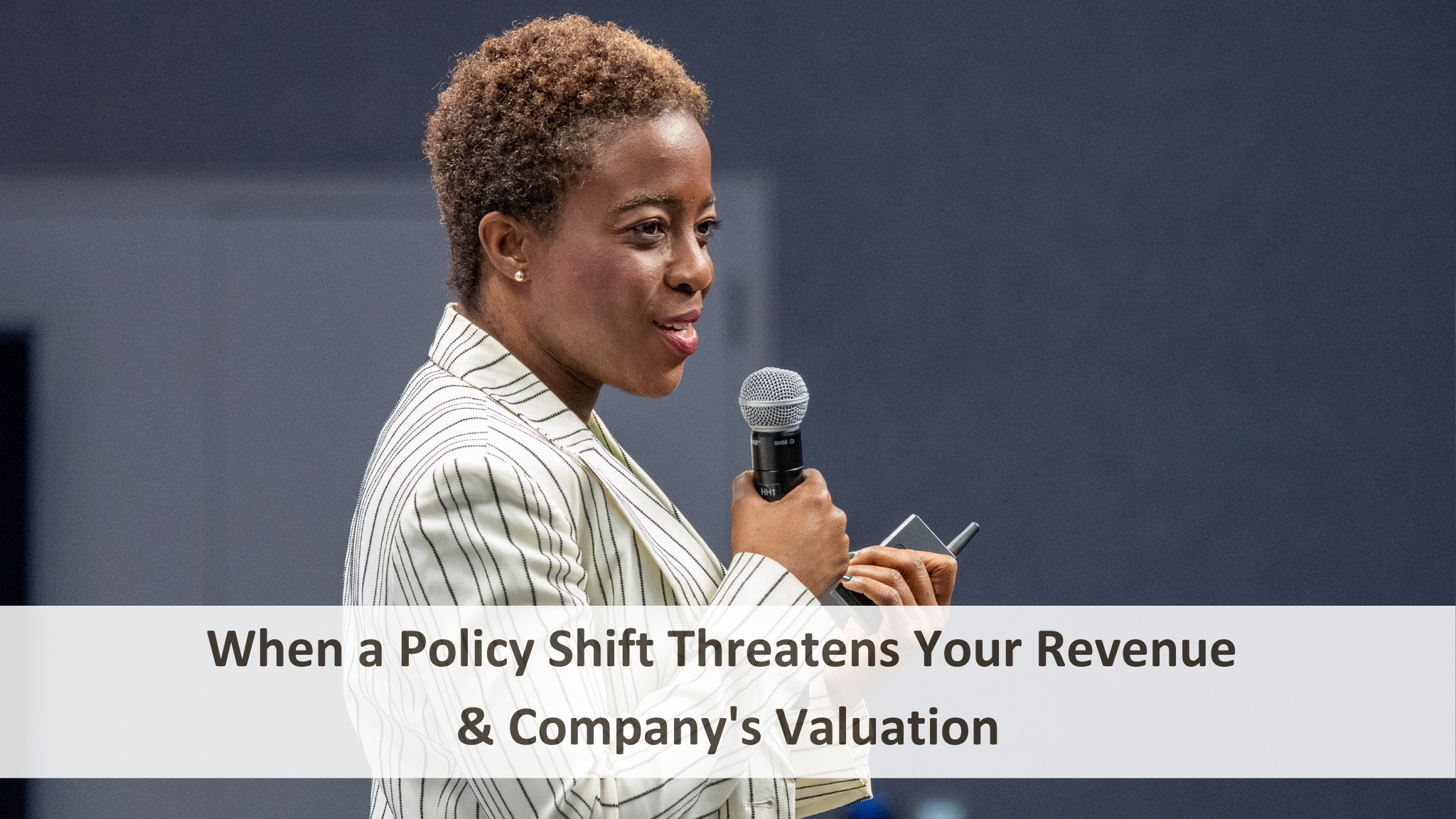
By Tricia M. Taitt, Fractional CFO and Author of Dancing with Numbers
At FinCore, we empower small business CEOs to grow and scale financially healthy businesses so they can exit successfully.
Preparing for exit? We strengthen your financial core (financial systems, people & numbers) so your company is more attractive and valuable.
Sign up here for a discovery call.
When a major revenue channel is disrupted, your exit or succession plan can shift quickly.
Government rule changes have recently affected the Disadvantaged Business Enterprise (DBE), Minority Business Enterprise (MBE), and Women Business Enterprise (WBE) programs, primarily by eliminating the automatic presumption of disadvantage based solely on race or gender for federal transportation-related contracts.
The recent changes stem from an Interim Final Rule issued by the U.S. Department of Transportation (DOT), effective October 3, 2025, which affects any state or local programs that rely on federal DOT funding.
Across the country, contractors earning millions of dollars and beyond from this revenue channel have been shut out of federally funded work while they wait for reevaluation.
For an owner preparing for an exit or succession, this is not a minor issue.
When you're preparing for an exit, every dollar of revenue, every relationship in your pipeline, and every operational system becomes part of your company overall value.
And when a major certification, status, or revenue channel is threatened, how you choreograph the next phase of your life can get thrown off beat.
It can erase enterprise value, weaken negotiating power, and derail your sale timeline if not managed strategically.
As a Fractional CFO who helps business owners plan and protect their exits, I focus on making sure your company can stay steady even when the market or policy landscape changes around you.
Below are seven strategic moves to help safeguard your valuation and keep your exit path clear when a policy shift disrupts your revenue stream.
Create a Three-Scenario Cash Flow Forecast
Build a 12–18 month forecast with a base case, a downside case, and a severe case. Model cash runway, payroll, debt service, owner compensation, and capital needs.
Exit Impact: Buyers pay for predictability. Scenario modeling shows you understand your risks and have a roadmap, even under pressure.
Strengthen Margins With a Firm Expense Review
Pause or reduce discretionary spending, renegotiate vendor contracts, streamline operations, and shift labor to more flexible models where possible.
Exit Impact: Every 1% improvement in margin can translate to 3–6% more enterprise value depending on your EBITDA multiple.
Diversify Beyond Federal Contracts
Pursue state, city, and private contracts. Leverage existing certifications. Reengage dormant clients. Explore partnerships with prime contractors.
Exit Impact: Diversification reduces perceived buyer risk and increases your valuation multiple.
Build Your Cash Cushion Early
Increase your line of credit, explore SBA-backed options, and establish a three- to six-month reserve.
Exit Impact: A well-capitalized business signals strength, making due diligence easier and negotiations more favorable.
Document Everything for Compliance and Due Diligence
Keep detailed records of all certification activity, financial impact, deadlines, and correspondence. Maintain clean, current books.
Exit Impact: Clean documentation accelerates due diligence and reduces post-close disputes — major concerns for buyers.
Strengthen Systems and Reduce Key Person Risk
Improve bookkeeping systems, update SOPs, cross-train your team, and use a financial dashboard for real-time insights.
Exit Impact: Buyers pay a premium for businesses that are turnkey, scalable, and not dependent on the owner.
Hold Monthly CFO-Level Reviews and Adjust Fast
Exit readiness requires agility. Review actuals vs. projections, cash runway, labor utilization, project profitability, and pipeline health.
Exit Impact: A strong monthly operating cadence increases financial transparency and boosts buyer confidence.
Here is What Your 90 Day Action Plan Can Look Like:
- Build or update your three scenario cash flow model
- Identify ten to fifteen percent in discretionary or low ROI expenses
- Have your CFO or controller run a pipeline diversification review
- Reconfirm your line of credit availability
- Begin documenting all compliance-related activity
- Create or update your Financial SOPs and internal controls
- Schedule a 90-minute monthly "Financial Performance Review" cadence
These are the moves that protect enterprise value and keep your exit strategy on beat, even when policy changes try to throw your business off rhythm.
Ready to Fortify Your Exit Plan?
If you want a CFO partner who can help you model your risks, strengthen your margins, diversify your pipeline, and choreograph a financially strong exit, let's talk.
Schedule a Financial Strategy Session and let's ensure your business is exit-ready, no matter what changes come your way.
Schedule a Financial Strategy Session
Tricia M. Taitt
Author of Dancing with Numbers

Tricia Taitt is the CEO and Chief Financial Choreographer of FinCore. She holds an M.B.A from The Fuqua School of Business of Duke University, and a BS in Economics with a Finance concentration from The Wharton School at the University of Pennsylvania. For over 20 years, she's been a finance professional. Half of the time was spent working on Wall Street while the other half was spent in the trenches side by side with small business owners. As a result of working with FinCore, clients have been able to take control of their numbers and feel more confident in their ability to make decisions, while increasing profits by 10% and building a cash stash to invest in growth. Follow Tricia on LinkedIn and Instagram.